Podcast series 2025
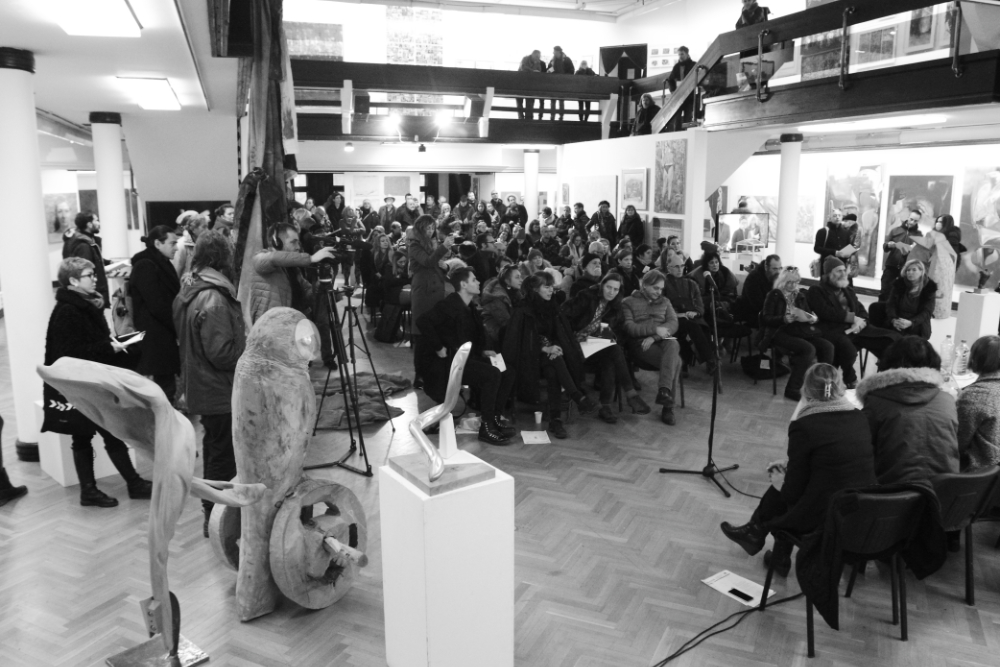
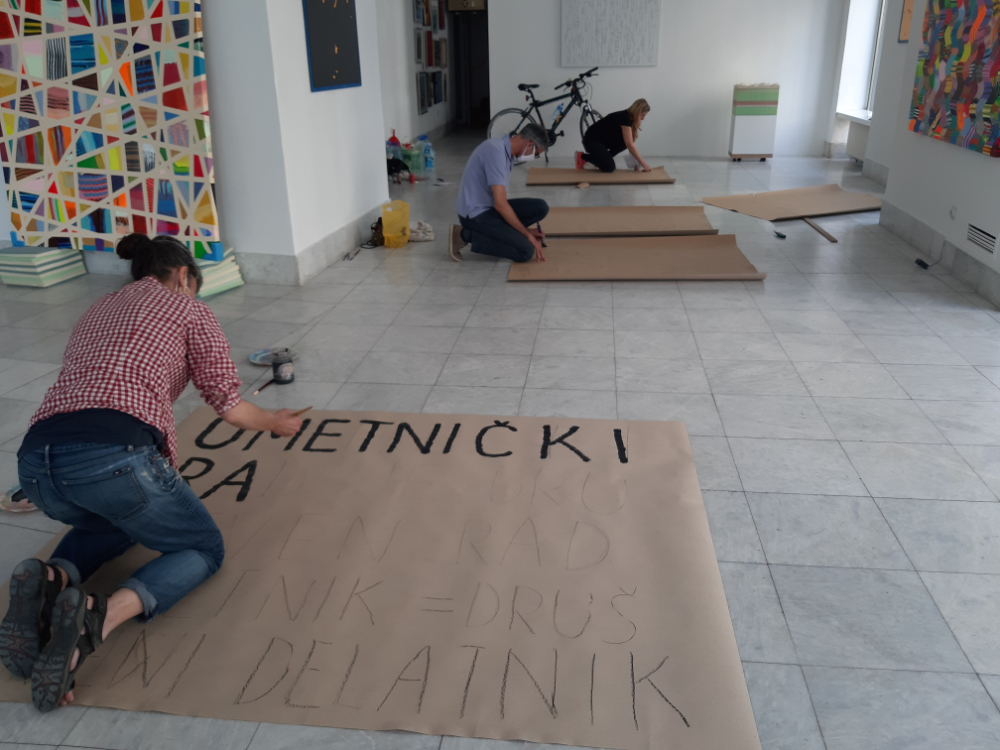
Project leader Christine Düwel in conversation with artist Vahida Ramujkić about her participatory artistic practice in collectives in Barcelona and Belgrade.
© Christine Düwel, Vahida Ramujkić/ IGBK


Preview image:
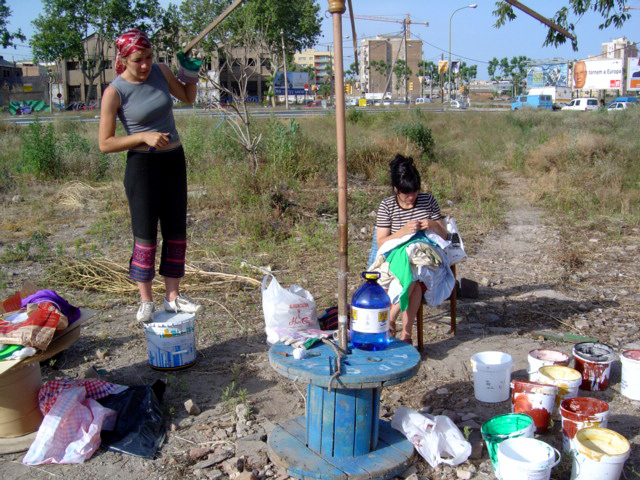
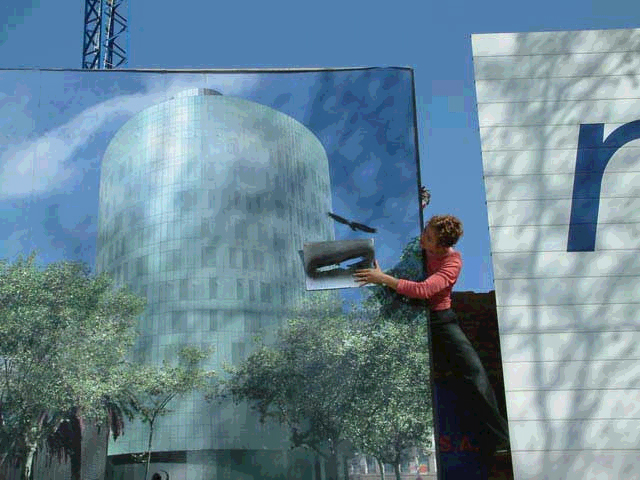
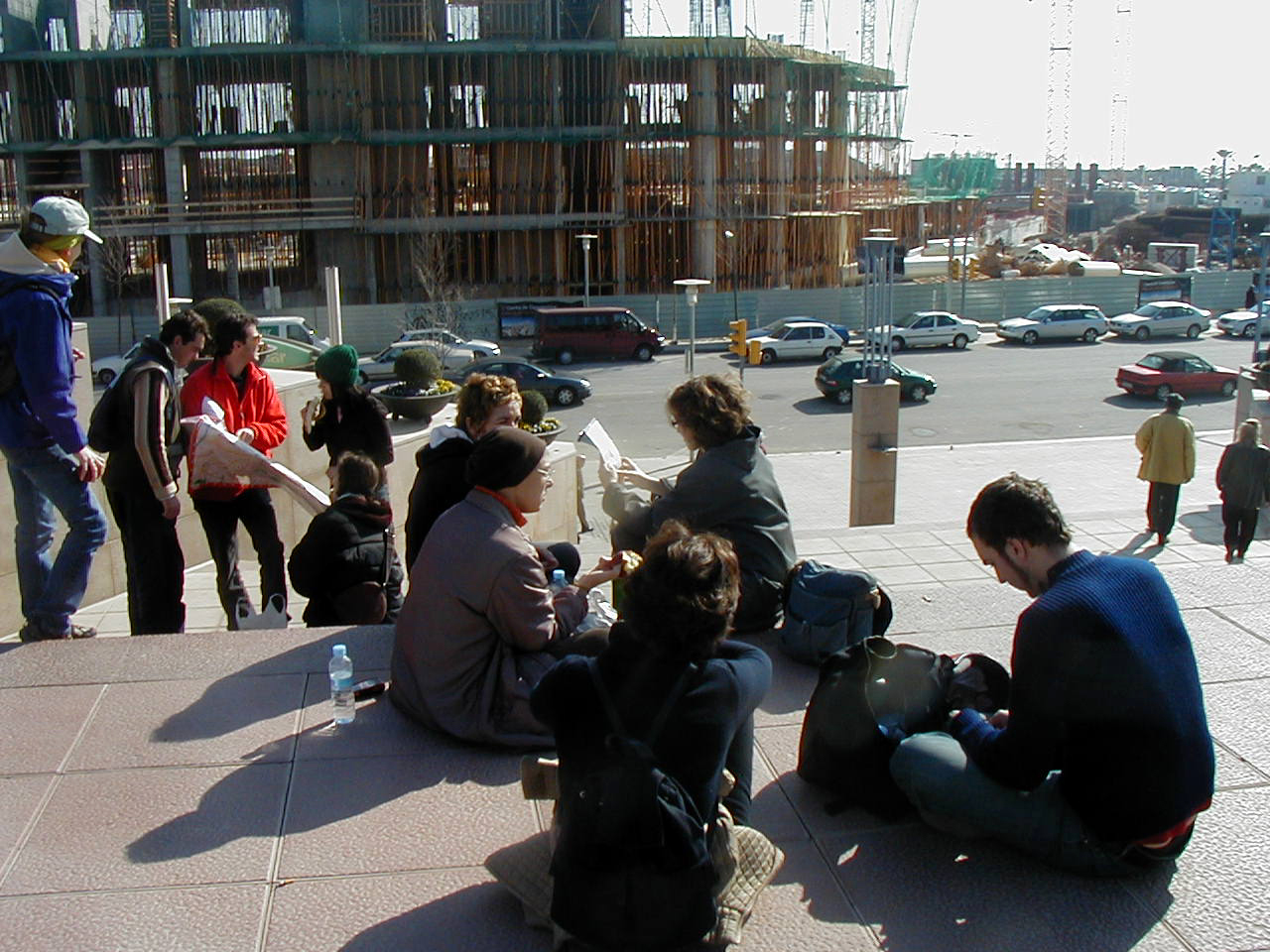
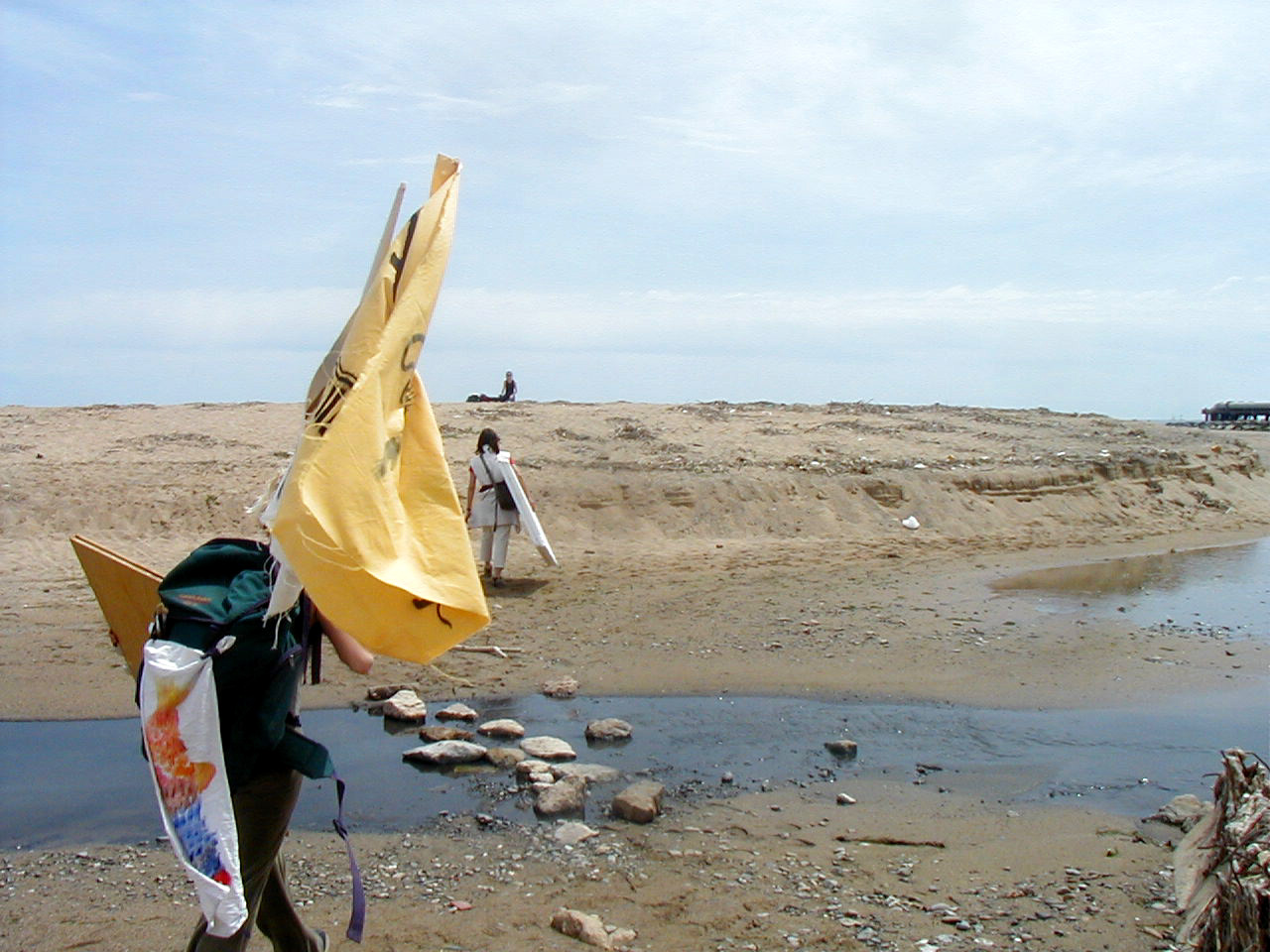
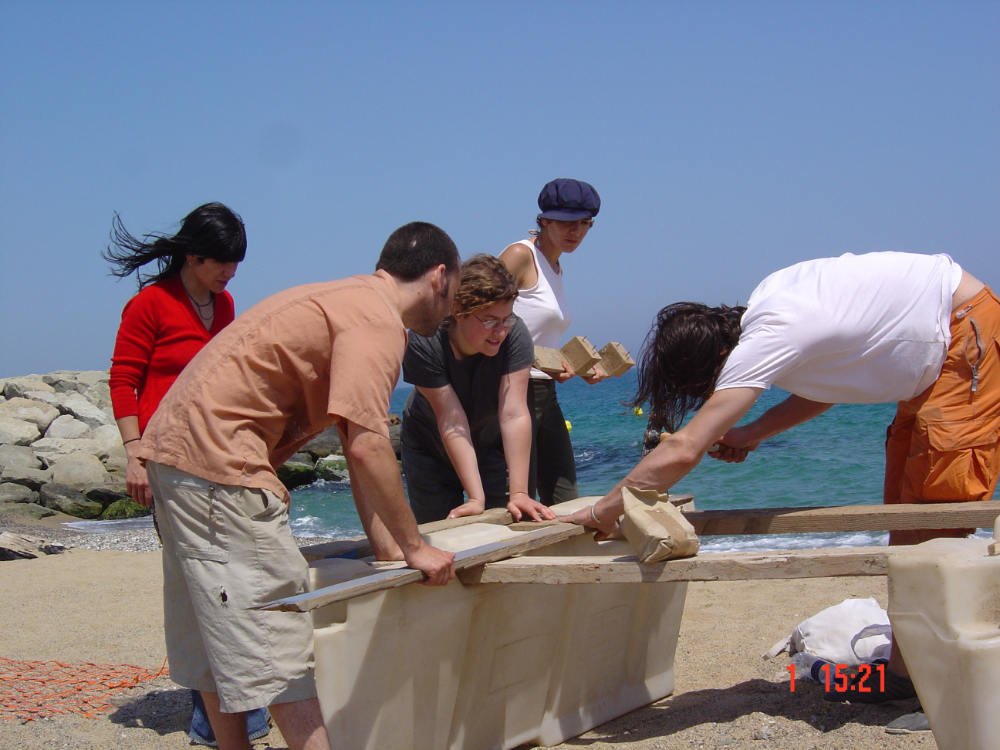
Safaris Poble Now: Signalisation, 2002, ROTORRR, Barcelona.
The podcast series features interviews with various European local artistic initiatives as part of the IGBK's 2025 annual project "Opening Space | Promoting Encounters."
About:
Christine Düwel (*1962) is a visual artist and curator based in Berlin, Germany. She got her M.A. of Fine Arts in sculpture and graphics at the University of Applied Arts, Vienna and received a M.A. in Philosophy and Art History at the Humboldt University, Berlin. Her work has been shown internationally in solo and group exhibitions. Her visual investigations focus on the question of how different semiotic systems relate to each other, are perceived and generate meaning.
Her work is represented in both private and public collections (i.a. Albertina, Vienna and Schering Stiftung, Berlin). She has received grants and is giving public talks on art. She has curated several exhibition projects (e.g. The Other Capital – Brandenburgischer Landtag 2018, F. – Jahrhundertwanderungen 2019, Stiftung Schloss Neuhardenberg).
2012 - 2018 she was member of the board of GEDOK Brandenburg, in 2018 she became member of the federal board of GEDOK Bundesverband. Since 2020 she is one of the three chairpersons on the board of IGBK. She is co-leader of project visual artists | diverse conditions.
Vahida Ramujkić (*1973 in Belgrade) graduated from the Faculty of Fine Arts in Belgrade in 1997, received her MFA in 2001, and completed her PhD in 2018. Reflecting on the specific role and function of artistic practice in society, her professional and activist work is dedicated to creating conditions and frameworks for collaborative practices oriented toward building commons and forms of collective solidarity. She develops long-term projects, often working through collectives or initiating workshop-based and collective processes.
In 2001, together with Laia Sadurní, she co-founded the Barcelona-based collective ROTORRR, which over the following seven years functioned as a platform for orientation and action within the territories of "neoliberal transition." Her personal experience with the paradoxes of EU migration law is articulated in the book Assimil: Schengen Without Pain (2006).
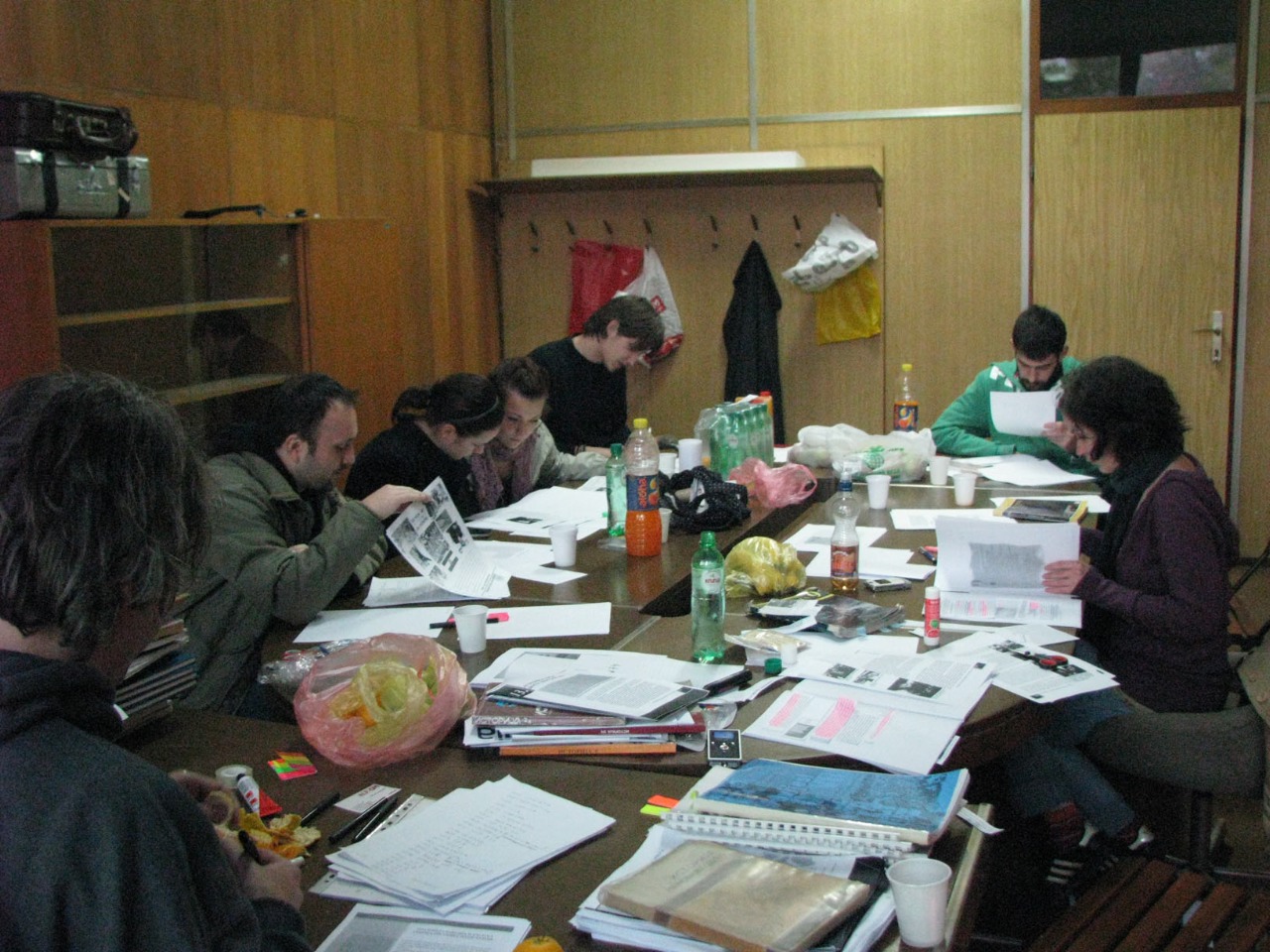
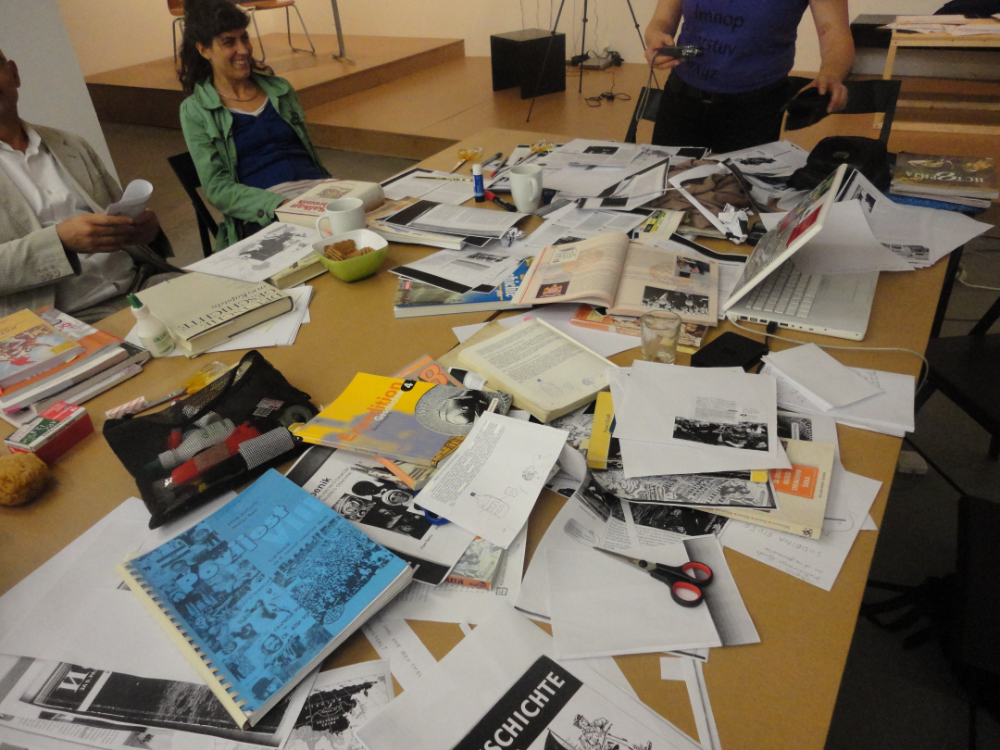
She explores the potential for constructing shared narratives through long-term research projects such as Disputed Histories (since 2007), Documentary Embroidery (with Aviv Kruglanski, since 2008), and Storm and the Return Home (2006–2010). Vernacular practices of food fermentation served as the basis for developing the project Microcultures (with A. Kruglanski and M. Robes, 2011/12).
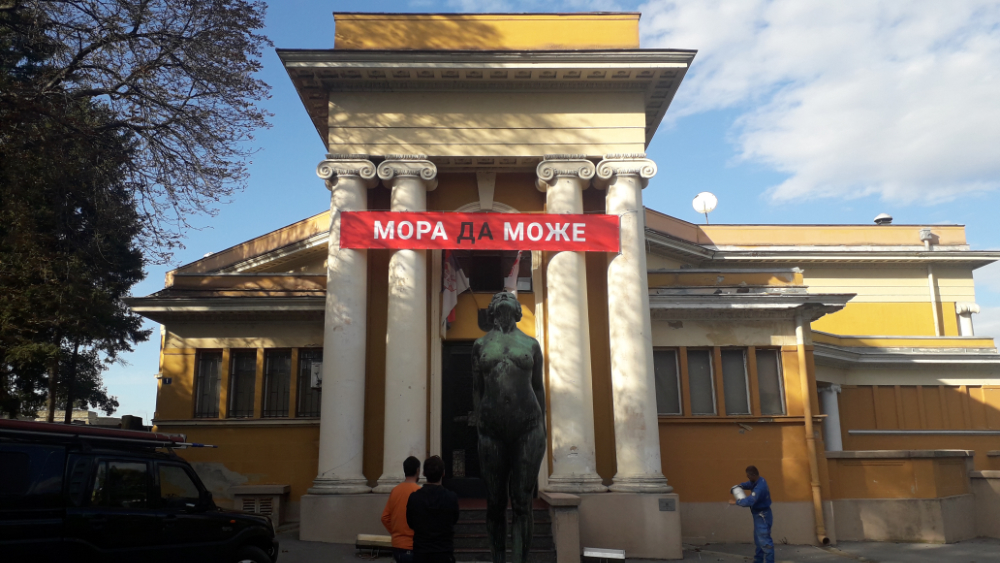
From 2017 to 2023 she co-founded and worked within the collective Minipogon, developing an attempt to establish autonomous and fair modes of production together with colleagues and residents of a refugee camp. Since 2020 she has been part of the governing structure of the Association of Fine Artists of Serbia (ULUS), where she coordinates the ULUS Debate and Research Program.
She is the recipient of the First Prize of the 25th October Salon in Belgrade for the work False Truths (2011). As part of her professional and activist engagement, she has worked within various organizations and collectives including ReEks (2016–2019), SAFS (2015–2016), No Name Kitchen (2017–2021), and irational.org (since 2011).